Knit your first pair of handmade wool socks with a method you can repeat
ejoceanem is an educational course focused on the practical skills behind sock knitting: yarn choices, gauge, heel construction, and finishing. You’ll follow step-by-step modules that turn a confusing pattern into a clear routine you can carry into future projects.
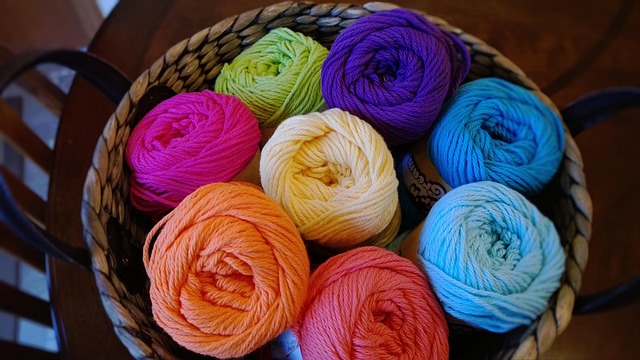
Tagline: Learn to knit handmade wool socks with calm, structured guidance.
Course Overview
This course teaches sock knitting the way working knitters actually approach it: by controlling a few variables and repeating them until the process feels normal. Socks are small, but they are dense with technique—gauge matters, sizing is less forgiving than a scarf, and the heel is a real engineering problem. We break the craft into clear building blocks: choosing wool that will wear well, understanding how ply and twist affect stitch definition, and working through the classic structure of cuff, leg, heel flap, heel turn, gusset, foot, and toe.
You will learn to read a pattern without guessing, measure your gauge honestly, and use simple fit math to get socks that stay up and feel comfortable. The lessons include practical notes on tension management, laddering on small circumferences, and finishing methods like grafting with Kitchener stitch. The tone is steady and methodical—no rush, no tricks—so your practice time turns into a repeatable skill.
Clear checkpoints
Each module ends with a tangible outcome—swatch measured, heel turned, toe grafted—so you can spot issues early.
Gauge and fit
Learn how stitches-per-inch becomes a circumference that fits, including negative ease and why it matters for socks.
Yarn guidance
Understand wool blends, staple length, and the role of nylon for durability—without relying on branded recommendations.
Technique notes
Compact explanations for SSK vs k2tog, gusset decreases, and clean selvedges on a heel flap.
Knitting Fundamentals
Sock knitting depends on small, consistent movements. We start with the essentials that matter on a fine gauge: how to form stable stitches, how to avoid splitting plies, and how to keep your tension even when the circumference is small. You will practice knit and purl with deliberate hand positioning, then move into controlled decreases and increases. We also cover the unglamorous but essential skills: reading your fabric, counting rows, and correcting mistakes without ripping back a whole section.
You will see how a slip-stitch heel flap changes the fabric density, why a reinforced heel helps with abrasion, and how to pick up gusset stitches neatly so the join looks intentional. The course uses common knitting language—selvedge stitches, stitches on hold, and grafting—so patterns become readable rather than mysterious.
Tension routines
Small habits that reduce laddering and keep stitches even across needles.
Fixing mistakes
Lifelines, laddering down, and correcting a twisted stitch without drama.
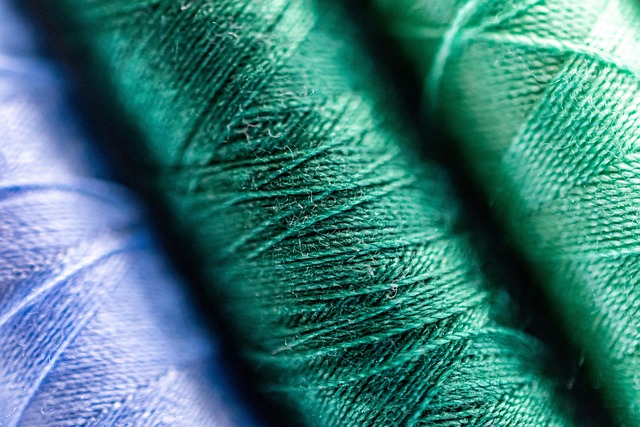
A sock is a small project with a lot of feedback. Your fabric tells you quickly when gauge or tension needs an adjustment.
Yarn Selection Guide
Socks work hard. The yarn needs resilience, memory, and enough structure to resist thinning at the heel and ball of the foot. Instead of naming brands, we teach you how to read a yarn label and evaluate a skein with a knitter’s eye. You will compare ply structure (2-ply vs 4-ply), twist direction, and how tightly spun yarn affects stitch definition. We also explain why many sock yarns include a reinforcing fibre, how that changes durability, and what to expect in washing.
The guide includes practical recommendations for fibre blends (wool with nylon, or wool with other strengthening fibres), needle sizing, and how colourwork or textured stitches can change gauge. You will learn to swatch in the round to avoid misleading measurements, and to choose a fabric density that feels comfortable inside shoes. The goal is simple: make choices that lead to socks you will actually wear.
Label literacy
Yardage, weight, fibre content, and care instructions—how to translate them into real-world sock decisions.
Ply and twist
Learn why twist affects pilling and stitch definition, especially on a tight gauge stockinette fabric.
Care and wear
Washing, drying, and blocking basics that help keep a snug fit without felting surprises.
Step-by-Step Learning Modules
The modules are designed like a workshop sequence: each part builds on the last, and you can pause without losing your place. Instead of hiding difficulty, we label it and give you a simple checkpoint to verify progress. You will practice the core sock structure using plain fabric first, then refine your technique with finishing and fit details that make the second sock easier and neater than the first.
-
01
Tools and setup (30–45 minutes)
Choose needle size, decide on small-circumference method, and prepare a swatch plan. Outcome: a clear materials checklist and a gauge target you can measure.
-
02
Swatching in the round (45–60 minutes)
Work a small round swatch, block it, and calculate stitches per 10 cm. Outcome: a measured gauge and a simple fit calculation for your target circumference.
-
03
Cuff and leg (1.5–2.5 hours)
Cast on cleanly, establish ribbing, and knit a stable leg. Outcome: an even fabric and a rhythm for counting rounds and checking tension.
-
04
Heel, gusset, and finishing (2–4 hours)
Work a heel flap, turn the heel, pick up gusset stitches, shape the foot, and finish with a grafted toe. Outcome: a complete sock and a checklist for making the second one match.
Student Projects
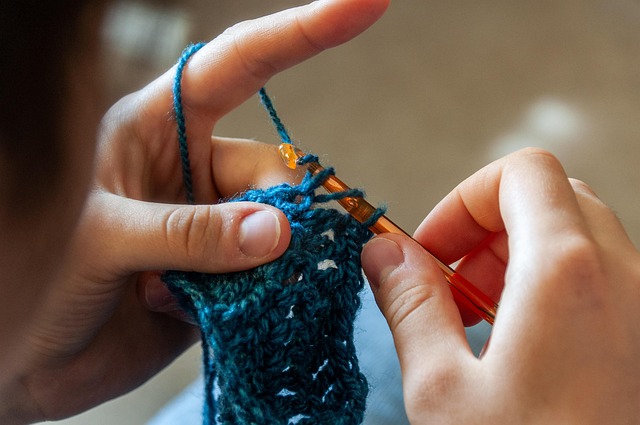
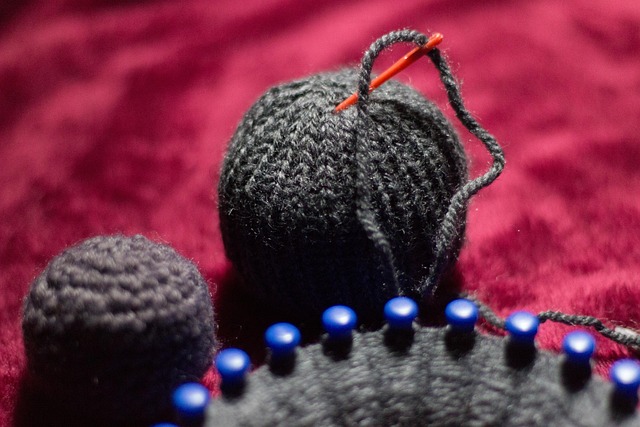
Projects show what happens when the fundamentals are in place: consistent gauge, tidy joins, and finishing that holds up to wear. We highlight a variety of fabrics—simple stockinette, gentle textures, and practical reinforcement—so you can see how small choices change the final result. The focus is craftsmanship: snug ribbing at the cuff, a heel that sits correctly, and a toe seam that feels smooth.

What students tend to notice
- After one measured swatch, pattern sizing becomes much less guessy.
- A neat pick-up along the heel looks cleaner and feels sturdier.
- Finishing steps like weaving ends properly matter more than expected.
Marta K., Hobby knitter, Brno
The best part was the module on heel turns. It finally clicked why the short rows shape the cup, and my gusset pick-up stopped looking jagged. The second sock came out matching the first, which never happened for me before.
Daniel P., Maker workshop attendee, Prague
The yarn guide helped me stop buying pretty skeins that were wrong for socks. I picked a sturdier blend, swatched in the round, and the fabric feels dense but comfortable. The finishing checklist made the toe grafting much calmer.
Alina S., Creative learner, Olomouc
I liked that the lessons don’t assume you already know the vocabulary. Terms like selvedge stitch and lifeline were explained at the moment I needed them. The course felt like a tidy notebook I can return to for future pairs.
Mini case study
Problem: A student’s socks repeatedly developed a loose “ankle bubble” and wore through at the heel quickly. Approach: we recalculated negative ease from the swatch, adjusted needle size for a denser fabric, and used a slip-stitch heel flap with a clean pick-up. Outcome: the next pair held shape after washing and showed noticeably less abrasion after several weeks of wear.
About Us
ejoceanem is run as a small craft education studio: focused lessons, clear progression, and a respect for the slow parts of learning. We started in 2021 after seeing the same issue in workshops and online groups—sock patterns were being shared widely, but many learners didn’t have a reliable way to check gauge, adjust sizing, or fix small mistakes without restarting. That gap creates frustration and abandoned projects.
Our mission is simple: teach the fundamentals behind handmade wool socks so learners can make choices confidently. The course emphasizes repeatable process—measure, knit, check, adjust—rather than one-off “perfect” outcomes. If you like tidy notes, calm pacing, and practical explanations, you will feel at home here.

A quiet learning environment helps: good light, a comfortable chair, and a small notebook for counts and measurements.
FAQ
These are the practical questions we hear most often. If you want course details sent to you, use the registration form below. We only ask for a name and email, and we do not sell personal data.
Registration
Get the course details and the recommended materials list
Register with your name and email, and we will send the course outline and next steps. This is an educational craft course only; there is no promise of a specific outcome. Progress depends on practice and individual skill development.
Address: Dr. E. Beneše 116, Parník, 560 02 Česká Třebová, Czechia
Company ID: 064824136
Disclaimer
This website provides educational content for learning knitting and handmade crafts only. Results depend on individual practice and skill development. Any examples or outcomes shown are illustrative of the learning process and do not guarantee a particular result for every learner.
If you have questions about materials (including fibre sensitivities) or safe tool use, please consult appropriate professional guidance and follow manufacturer safety instructions for needles and accessories.