Choose sock yarn with durability, comfort, and good stitch definition
Socks are everyday textiles. This guide explains fibre blends, ply structure, twist, and care—so you can select yarn that wears well and swatches into a fabric you actually want on your feet.
Fibre + twist + density
Three knobs that control wear and feel.
In the round
More accurate for sock stockinette.
Label-based decisions
Use the yarn label and your swatch.
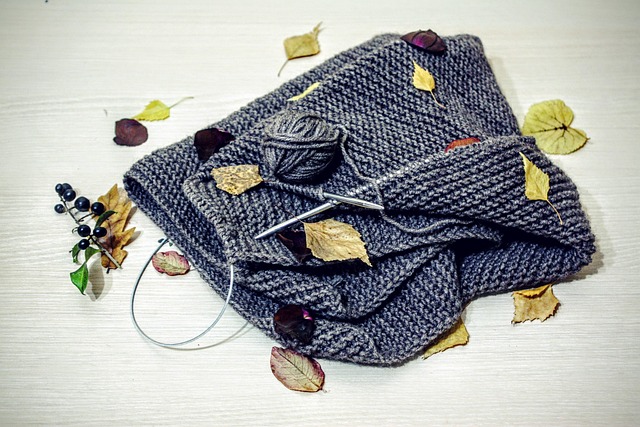
A strong sock fabric usually comes from a tighter spin, a practical blend, and a swatch that matches how you actually knit in the round.
How to read a sock-yarn label
Most yarn labels are written for fast comparison, not for sock planning. The trick is to treat the label as a set of constraints. Start with fibre content: pure wool can feel wonderful, but socks see abrasion at the heel, ball of the foot, and toe. A reinforcing fibre (often nylon) raises durability and helps the fabric spring back after wear. Next, look at yardage and recommended gauge—then ignore the recommended needle size for a moment. For socks, needle size is chosen to create a dense fabric that holds up inside shoes, not a drapey fabric that looks airy on a hat.
Pay attention to the yarn’s construction words when available: “4-ply” or “tightly twisted” typically points toward better stitch definition and less pilling. If the label includes care symbols, treat them as a reality check. Machine-washable yarn can still felt if it is very high wool content and the fabric is loose; hand-wash yarn can still be practical if you knit a sturdy gauge and dry it flat. In the course, we pair label reading with a simple swatch protocol so your choices are based on measured fabric, not guesswork.
Fibre content
Wool brings warmth and memory. A small reinforcing fibre often improves abrasion resistance and longevity.
Yardage and weight
Sock yarn is often around “fingering” weight, but the real test is your fabric density at your measured gauge.
Ply and twist
A tighter twist and multiple plies often yield crisp stitches and help the yarn resist pilling under friction.
Care symbols
Care instructions guide your routine. The swatch tells you how the yarn behaves when washed and dried.
Round swatching: a small step that saves a lot of yarn
Swatching for socks is not about getting a perfect square; it is about understanding your stockinette tension in the round. Many knitters purl looser than they knit, and a flat swatch can hide that difference. A simple round swatch—worked on the same needle size and using the same small-circumference method you will use for the sock—gives a more honest stitches-per-10-cm number. That number is the basis for fit math and for deciding whether your fabric is dense enough to wear well.
The guide in the course also covers “fabric read”: how to inspect your stitches, spot a twisty ply that wants to split, and judge whether the heel area needs reinforcement. You will practice counting rows, measuring after washing, and recording the result so the second sock matches the first. This is the unglamorous part, but it is the difference between socks that bag at the ankle and socks that stay snug.
Swatch checklist
- Work at least 5–6 cm of stockinette in the round before measuring.
- Wash and dry the swatch the way you plan to care for the finished socks.
- Measure stitches and rows over a larger area, then calculate per 10 cm.
- Decide on fabric density before you commit to the full cuff and leg.
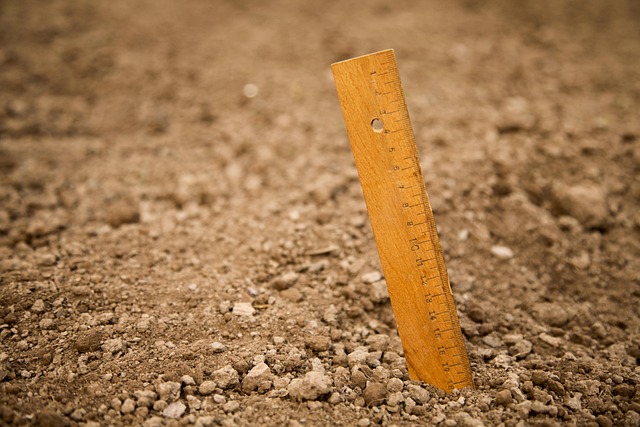
A measured swatch gives you two reliable numbers: stitch gauge and row gauge. Sock fit depends heavily on stitch gauge.
Registration
Get the course details and the recommended materials list
Register with your name and email, and we will send the course outline and next steps. This is an educational craft course only; there is no promise of a specific outcome. Progress depends on practice and individual skill development.
Address: Dr. E. Beneše 116, Parník, 560 02 Česká Třebová, Czechia
Company ID: 064824136