A calm, complete roadmap to your first handmade wool socks
This page explains what the course covers, how the modules connect, and the practical outcomes you should expect at each checkpoint. The focus is clear technique: gauge, fit math, heel construction, and tidy finishing.
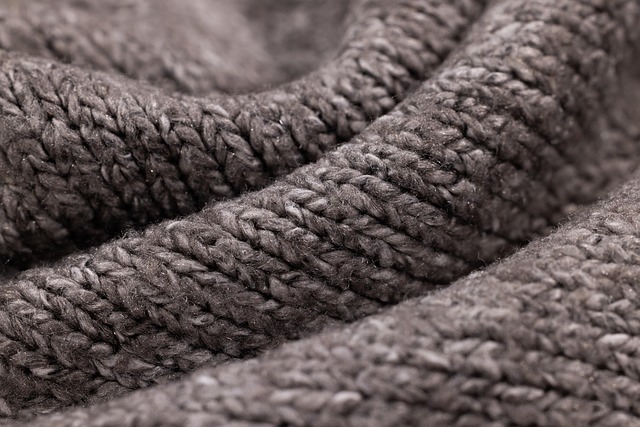
The course is built around the classic sock structure: cuff, leg, heel flap, heel turn, gusset, foot, toe, and finishing.
Pacing
Methodical
Checkpoints that reduce guesswork.
Materials
Unbranded
Guidance by fibre and structure.
What the course is (and what it is not)
ejoceanem teaches sock knitting as a repeatable process. You learn how to control gauge, calculate circumference with negative ease, and build the heel-and-gusset architecture that makes socks fit. The instruction is practical: how to read your fabric, how to count rows consistently, and how to correct common mistakes without unraveling hours of work. We also spend time on finishing—grafting with Kitchener stitch, weaving in ends so they do not pop out, and blocking for a neat final shape.
The course does not promise a specific result for every learner. Knitting is a skill built through repetition, and outcomes depend on practice, attention to tension, and the time you choose to spend with the material. If you want a steady curriculum that makes patterns feel readable and reduces trial-and-error, this format tends to work well.
Fit math that stays simple
Convert stitches-per-10 cm into a target circumference, then adjust with negative ease so socks stay up and feel snug in shoes.
Heel structure explained
Understand the heel flap, heel turn, and gusset as a joined system—so it stops feeling like a mysterious block of instructions.
Finishing that feels comfortable
Learn grafting and end management so the inside of the sock stays smooth and the toe seam does not feel bulky.
Module outcomes you can verify
A practical course needs measurable checkpoints. Each module ends with a small verification step that keeps you from drifting off course—especially on fine-gauge fabric where a small tension change can compound. You will learn to measure a swatch without optimism, to count rows in a heel flap reliably, and to keep a consistent rate of gusset decreases so both socks match.
Technical vocabulary is introduced in context. Terms like selvedge stitch, stitches on hold, and grafting are not treated as insider knowledge; they are explained at the exact moment they become useful. The result is a process that feels like a tidy notebook: you can stop mid-project and resume without re-learning what you meant to do.
Examples of course checkpoints
- Swatch measured after blocking, with stitches per 10 cm recorded.
- Cuff ribbing that stretches and recovers without flare.
- Heel flap with tidy edge loops for easier gusset pick-up.
- Toe grafted with Kitchener stitch, tension adjusted to feel smooth.
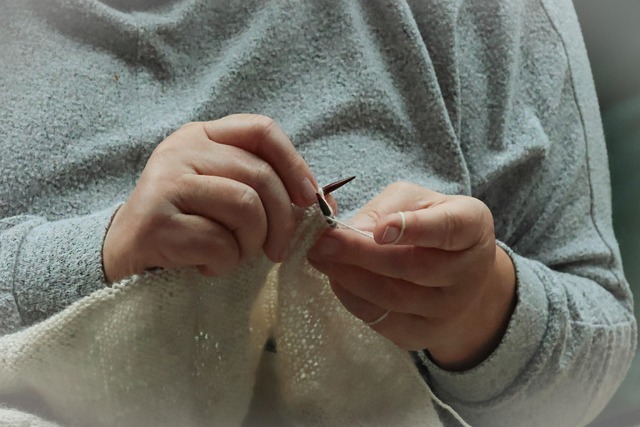
Sock fabric is honest. When gauge is right, the stitches look calmer and the fit holds after washing.
Registration
Receive the full outline and a materials checklist
Register with your name and email, and we will send the course outline and next steps. This is an educational craft course only; progress depends on individual practice and skill development.
Address: Dr. E. Beneše 116, Parník, 560 02 Česká Třebová, Czechia
Company ID: 064824136