Knitting fundamentals that make sock patterns predictable
This page explains the core habits behind handmade wool socks: steady tension on a small circumference, reading your fabric, and fixing mistakes without restarting. The goal is a method you can repeat for every pair.
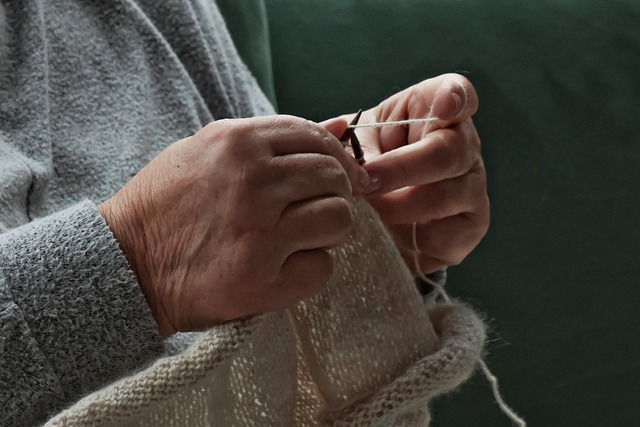
A sock is small, but it is technical. When gauge, selvedge edges, and decreases are tidy, the pattern stops feeling like guesswork.
Foundation checklist
- Even tension on small circumference rounds
- Stitch reading for quick error detection
- Reliable fixes: lifelines, laddering down, re-mounting
The fundamentals we teach (and why they matter)
For socks, “basic” does not mean “easy.” The work happens on finer needles and a tighter gauge, so small inconsistencies show up fast. Our approach starts with fabric control: how your hands feed yarn, how the working yarn sits against the needle, and how to keep stitches from stretching when you change needles. This is where laddering begins, and it is also where it can be prevented—often with a few predictable routines rather than a full technique overhaul.
Next comes stitch reading. If you can spot a twisted stitch, a missed decrease, or an accidental yarn-over early, you avoid the most frustrating kind of “mystery mistake” ten rounds later. We teach a calm, methodical check: count your working stitches, confirm the position of your markers, and read the V-shapes in stockinette (or the columns in ribbing) before you keep going. It sounds slow, but it saves time. Socks reward careful repetition.
Finally, we cover the unglamorous but essential fixes: setting a lifeline, laddering down a column, and re-mounting stitches so the legs face the right direction. When those tools are available, you can experiment with confidence.
Tension routines
Practical habits for a smooth rhythm: consistent yarn feed, gentle needle tips, and predictable tension at needle changes.
Stitch reading
Learn to identify a twisted stitch, missing decrease, or extra loop by reading the fabric—no guessing from the chart.
Lifelines
Insert a safety line through live stitches so you can unravel to a known-good row without losing your place.
Laddering down
Correct a single column (like a missed knit) by dropping and reworking it, instead of undoing a whole section.
Small-circumference methods: pick one, then commit
Most sock frustration comes from switching methods mid-stream. The course explains how the common options behave: working with double-pointed needles, a long circular for magic loop, or two circulars. Each has a different “feel” at the join, and that join is where tension tends to change. We help you choose based on hand comfort, needle control, and how you prefer to manage stitch markers.
Once you choose, we focus on repeatability. We show where to snug up a stitch (and where not to), how to avoid stretching the first stitch on a needle, and how to move the join occasionally so any small imperfections are distributed. This is not about perfection; it is about fabric that looks uniform when worn.
A practical note: socks are usually knit at a firm gauge. That density is what helps them wear well. When the fabric is firm, your hands work harder—so small ergonomic choices matter. We include suggestions for breaks, hand position, and how to keep the movements smooth.
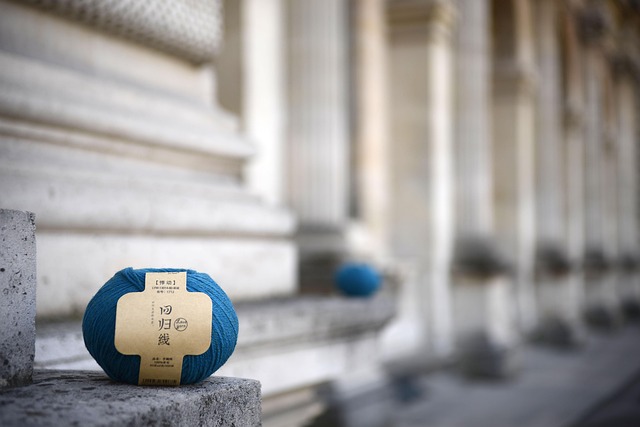
The join is where tension changes. A consistent routine at needle changes is more valuable than a “perfect” technique name.
Practical terms you will use
- Working yarn and yarn feed
- Twisted stitches and stitch legs
- Selvedge stitches on heel flaps
- SSK vs k2tog as mirrored decreases
A short “fix it” sequence you can reuse
When something looks off, the best response is a repeatable check rather than a quick rip. We teach a simple sequence: stop, confirm your stitch count, identify the exact location of the issue, and then choose the smallest fix that restores the fabric. That might be re-mounting one stitch, laddering down a column, or tinking back a few rounds. In socks, this calm approach keeps the fabric consistent and protects your motivation.
-
01
Confirm the facts (2 minutes)
Count stitches between markers and compare to the pattern line you are on. If your count is correct, the issue is often a single twisted stitch or an accidental yarn-over.
-
02
Locate the stitch (3–5 minutes)
Read the fabric: look for a crossed V, a hole where there should not be one, or a decrease leaning the wrong way. Confirm before you change anything.
-
03
Choose the smallest correction (5–10 minutes)
Re-mount a stitch if it is twisted, ladder down if it is a column problem, or tink back a few rounds if the error affects multiple stitches. Outcome: the fabric structure matches the surrounding area.
-
04
Resume with a checkpoint (1 minute)
Knit one full round, then recheck stitch count and tension at joins. This prevents the same issue from repeating ten rounds later.
Registration
Get the course details and the recommended materials list
Register with your name and email, and we will send the course outline and next steps. This is an educational craft course only; there is no promise of a specific outcome. Progress depends on practice and individual skill development.
Address: Dr. E. Beneše 116, Parník, 560 02 Česká Třebová, Czechia
Company ID: 064824136